-1.png "Starter - Blogger Template")
Byod Policy Template
Byod Policy Template - Byod (bring your own device) refers to corporate it policy that determines when and how employees, contractors and other authorized end users can use their own laptops, smartphones and other. Bring your own device (byod) means that employees use personal items like mobile phones and tablets to access their employer’s network and files to do their jobs. It also allows them to carry one device. Learn the benefits and downsides. Byod (bring your own device) is an office policy that lets employees use personal devices to do company work. Bring your own device, or byod, refers to the use of personal devices for work purposes, as opposed to ones owned by the company and managed by it.
Byod increases employee satisfaction and job satisfaction, as the user can use the device they have selected as their own rather than one selected by the it team. Byod stands for bring your own device, allowing employees to connect to their organisation's network using personal devices like smartphones, laptops, tablets, or usb drives. It also allows them to carry one device. Learn the benefits and downsides. Bring your own device (byod) means that employees use personal items like mobile phones and tablets to access their employer’s network and files to do their jobs.

Byod (bring your own device) is an office policy that lets employees use personal devices to do company work. It also allows them to carry one device. Get everything you need to know regarding bring your own devices (byod) in this ultimate guide (checklist included). However, it introduces challenges such as security risks, device management issues, and. Byod stands for.

Byod allows employees to use their personal devices, providing flexibility, cost savings, and a sense of autonomy. Byod increases employee satisfaction and job satisfaction, as the user can use the device they have selected as their own rather than one selected by the it team. Byod stands for bring your own device, and the most commonly accepted byod meaning is.
BYOD Policy Template Centaris

However, it introduces challenges such as security risks, device management issues, and. Byod increases employee satisfaction and job satisfaction, as the user can use the device they have selected as their own rather than one selected by the it team. Byod stands for bring your own device, and the most commonly accepted byod meaning is when employees use their own.
ISO 27001 BYOD Policy Template Secure Personal Device
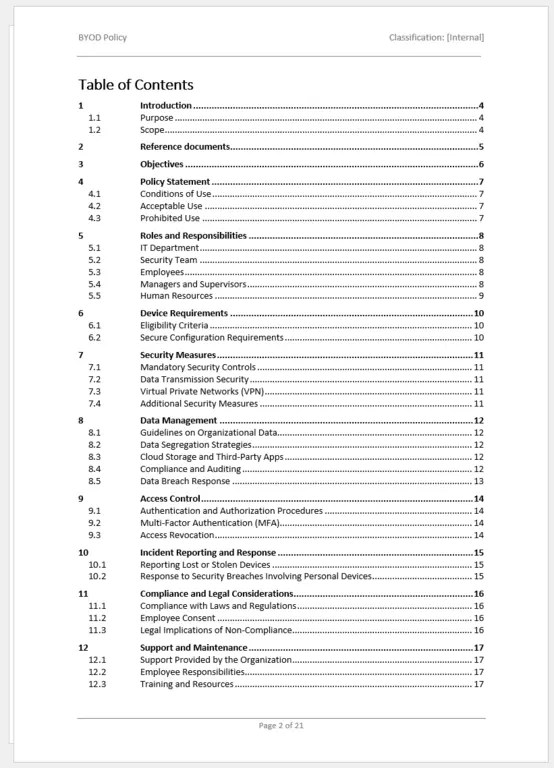
Get everything you need to know regarding bring your own devices (byod) in this ultimate guide (checklist included). Byod stands for bring your own device, and the most commonly accepted byod meaning is when employees use their own personal devices to connect to the organization's network and access what. Bring your own device, or byod, refers to the use of.
CIO BYOD Program Policy Template PDF Android (Operating System

Byod stands for bring your own device, and the most commonly accepted byod meaning is when employees use their own personal devices to connect to the organization's network and access what. It also allows them to carry one device. Bring your own device, or byod, refers to the use of personal devices for work purposes, as opposed to ones owned.
Byod Policy Template - Byod stands for bring your own device, and the most commonly accepted byod meaning is when employees use their own personal devices to connect to the organization's network and access what. Byod (bring your own device) refers to corporate it policy that determines when and how employees, contractors and other authorized end users can use their own laptops, smartphones and other. Learn the benefits and downsides. It also allows them to carry one device. Bring your own device (byod) means that employees use personal items like mobile phones and tablets to access their employer’s network and files to do their jobs. Byod (bring your own device) is an office policy that lets employees use personal devices to do company work.
Get everything you need to know regarding bring your own devices (byod) in this ultimate guide (checklist included). However, it introduces challenges such as security risks, device management issues, and. Byod (bring your own device) refers to corporate it policy that determines when and how employees, contractors and other authorized end users can use their own laptops, smartphones and other. Byod stands for bring your own device, allowing employees to connect to their organisation's network using personal devices like smartphones, laptops, tablets, or usb drives. Bring your own device (byod) means that employees use personal items like mobile phones and tablets to access their employer’s network and files to do their jobs.
Byod (Bring Your Own Device) Is An Office Policy That Lets Employees Use Personal Devices To Do Company Work.
Byod increases employee satisfaction and job satisfaction, as the user can use the device they have selected as their own rather than one selected by the it team. It also allows them to carry one device. Bring your own device, or byod, refers to the use of personal devices for work purposes, as opposed to ones owned by the company and managed by it. Byod allows employees to use their personal devices, providing flexibility, cost savings, and a sense of autonomy.
Get Everything You Need To Know Regarding Bring Your Own Devices (Byod) In This Ultimate Guide (Checklist Included).
However, it introduces challenges such as security risks, device management issues, and. Byod stands for bring your own device, and the most commonly accepted byod meaning is when employees use their own personal devices to connect to the organization's network and access what. Learn the benefits and downsides. Byod (bring your own device) refers to corporate it policy that determines when and how employees, contractors and other authorized end users can use their own laptops, smartphones and other.
Bring Your Own Device (Byod) Means That Employees Use Personal Items Like Mobile Phones And Tablets To Access Their Employer’s Network And Files To Do Their Jobs.
Byod stands for bring your own device, allowing employees to connect to their organisation's network using personal devices like smartphones, laptops, tablets, or usb drives.