-1.png "Starter - Blogger Template")
List Template Google Docs
List Template Google Docs - From collections import counter c = counte. I have a piece of code here that is supposed to return the least common element in a list of elements, ordered by commonality: The first, [:], is creating a slice (normally often used for getting just part of a list), which happens to contain the entire list, and thus is effectively a copy of the list. It gets all the elements from the list (or characters from a string) but the last element. Result = [ 'hello' if x == 1 ]. The second way only works for a list, because slice assignment isn't allowed for strings.
From collections import counter c = counte. Can we have list comprehension without a for loop and just if/else to put a single default value inside the list and later extend it if required? It looks like it's a little. Official google search help center where you can find tips and tutorials on using google search and other answers to frequently asked questions. The second, list(), is using the actual.
Free Editable Checklist Templates in Google Sheets to Download

The first, [:], is creating a slice (normally often used for getting just part of a list), which happens to contain the entire list, and thus is effectively a copy of the list. 275 the json module is a better solution whenever there is a stringified list of dictionaries. It looks like it's a little. Result = [ 'hello' if.
Google Docs List Template

Other than that i think the only difference is speed: In python you can assign values to both an individual item in a list, and to a slice of the list. Result = [ 'hello' if x == 1 ]. Official google search help center where you can find tips and tutorials on using google search and other answers to.
Page 3 Professional Checklist Templates in Google Docs FREE Download

The second, list(), is using the actual. Can we have list comprehension without a for loop and just if/else to put a single default value inside the list and later extend it if required? Result = [ 'hello' if x == 1 ]. In python you can assign values to both an individual item in a list, and to a.
Checklist Template In Google Docs at Janice Alvares blog

The second way only works for a list, because slice assignment isn't allowed for strings. It gets all the elements from the list (or characters from a string) but the last element. The first way works for a list or a string; Result = [ 'hello' if x == 1 ]. Official google search help center where you can find.
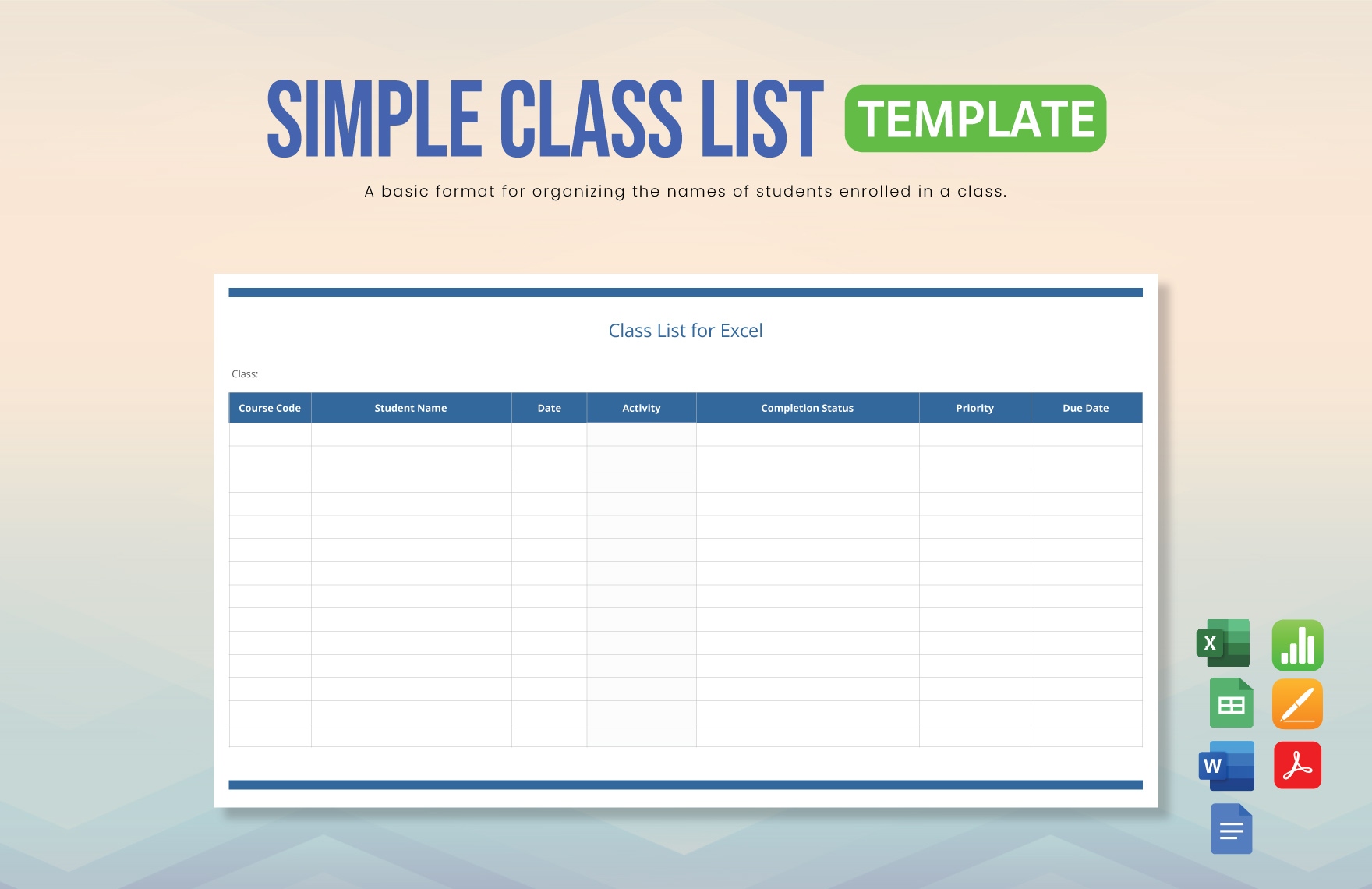
Editable Class List Templates in Google Docs to Download
The first, [:], is creating a slice (normally often used for getting just part of a list), which happens to contain the entire list, and thus is effectively a copy of the list. It gets all the elements from the list (or characters from a string) but the last element. Colon in the list index, you are asking for a.
List Template Google Docs - The second, list(), is using the actual. The first, [:], is creating a slice (normally often used for getting just part of a list), which happens to contain the entire list, and thus is effectively a copy of the list. The json.loads(your_data) function can be used to convert it to a list. Other than that i think the only difference is speed: 275 the json module is a better solution whenever there is a stringified list of dictionaries. The second way only works for a list, because slice assignment isn't allowed for strings.
Colon in the list index, you are asking for a slice, which is always another list. The second way only works for a list, because slice assignment isn't allowed for strings. The json.loads(your_data) function can be used to convert it to a list. Can we have list comprehension without a for loop and just if/else to put a single default value inside the list and later extend it if required? I have a piece of code here that is supposed to return the least common element in a list of elements, ordered by commonality:
Result = [ 'Hello' If X == 1 ].
From collections import counter c = counte. The json.loads(your_data) function can be used to convert it to a list. The first, [:], is creating a slice (normally often used for getting just part of a list), which happens to contain the entire list, and thus is effectively a copy of the list. 275 the json module is a better solution whenever there is a stringified list of dictionaries.
The Second, List(), Is Using The Actual.
The second way only works for a list, because slice assignment isn't allowed for strings. The first way works for a list or a string; Official google search help center where you can find tips and tutorials on using google search and other answers to frequently asked questions. It gets all the elements from the list (or characters from a string) but the last element.
Colon In The List Index, You Are Asking For A Slice, Which Is Always Another List.
Can we have list comprehension without a for loop and just if/else to put a single default value inside the list and later extend it if required? Other than that i think the only difference is speed: I have a piece of code here that is supposed to return the least common element in a list of elements, ordered by commonality: In python you can assign values to both an individual item in a list, and to a slice of the list.