-1.png "Starter - Blogger Template")
Microscopy And Microanalysis Conference Paper Template
Microscopy And Microanalysis Conference Paper Template - Microscopy is a scientific field focused on examining objects and structures too small for the unaided human eye. Microscopy is the technique of using microscopes to view objects that cannot be seen with the naked eye, such as cells, bacteria, viruses, and molecular structures. Microscopy allows scientists to see incredibly small things — down to the level of individual atoms. Introduction to microscopes and how they work. Covers brightfield microscopy, fluorescence microscopy, and electron microscopy. Explore compound, electron, and confocal microscopes with detailed comparisons.
It is essential in biology,. It magnifies the image of the specimen, allowing scientists and students to study the. It is utilized to examine cellular and subcellular components and for surface analysis. Microscopy is a scientific field focused on examining objects and structures too small for the unaided human eye. Optical microscopy and electron microscopy involve the diffraction, reflection, or refraction of electromagnetic radiation /electron beams interacting with the specimen, and the collection of the.
Ieee Conference Paper Template PDF

Microscopy can be defined as the scientific discipline of using microscopes for getting a magnified view of objects that can’t be viewed by naked eyes. It magnifies the image of the specimen, allowing scientists and students to study the. Microscopy is a method of making minute objects visible to the naked eye. Microscopy is a scientific field focused on examining.
Editorial Role at Microscopy and Microanalysis — The TIME Research Group

It is utilized to examine cellular and subcellular components and for surface analysis. Optical microscopy and electron microscopy involve the diffraction, reflection, or refraction of electromagnetic radiation /electron beams interacting with the specimen, and the collection of the. Microscopy is a scientific field focused on examining objects and structures too small for the unaided human eye. By understanding how materials.
Coming Soon

Microscopy is the technique of using microscopes to view objects that cannot be seen with the naked eye, such as cells, bacteria, viruses, and molecular structures. Microscopy is a method of making minute objects visible to the naked eye. By understanding how materials work at such a tiny scale, we can make better technologies and solve. It is a very.
Home

By understanding how materials work at such a tiny scale, we can make better technologies and solve. Microscope, instrument that produces enlarged images of small objects, allowing the observer an exceedingly close view of minute structures at a scale convenient for examination and. Microscopy is a scientific field focused on examining objects and structures too small for the unaided human.
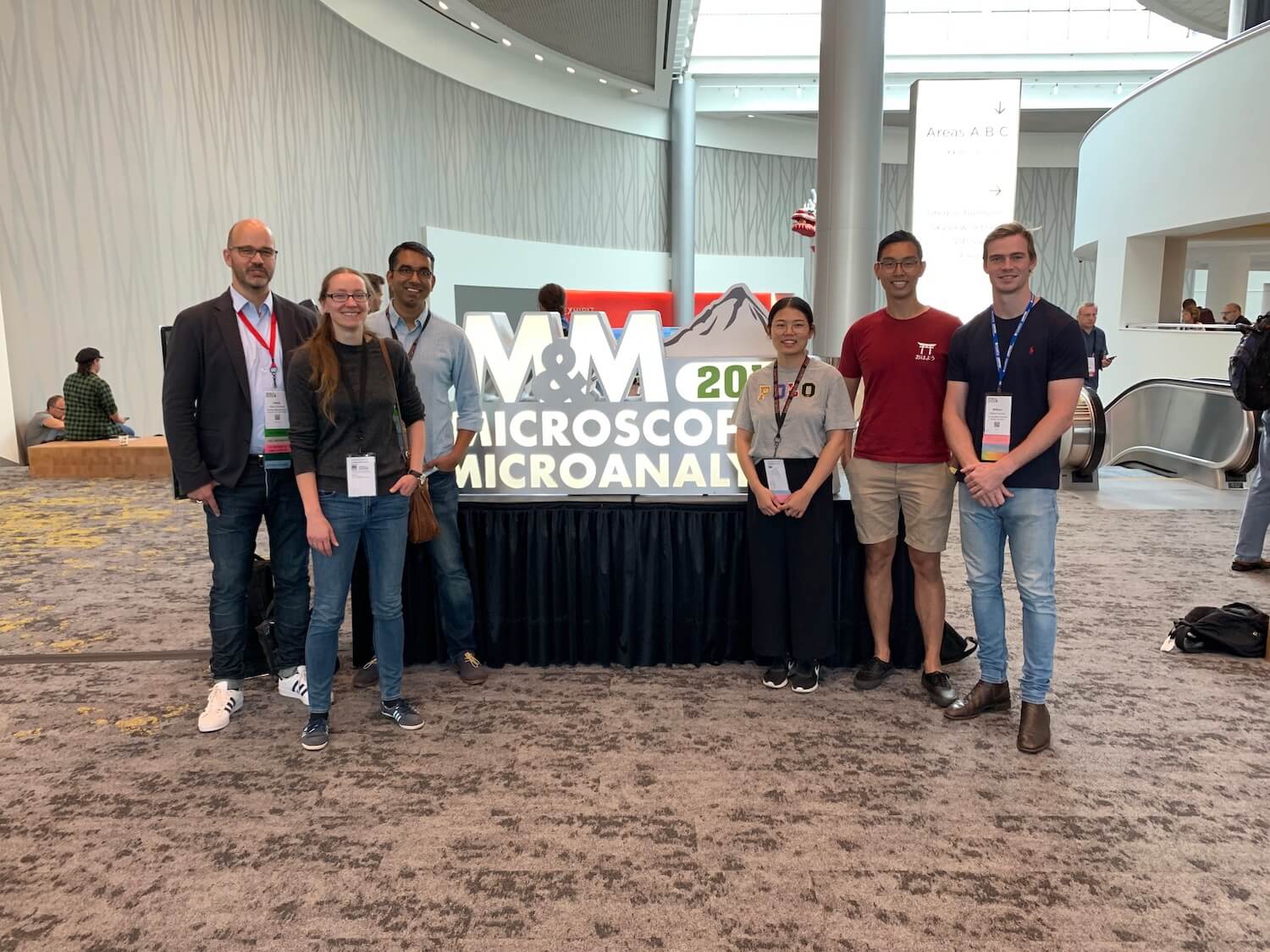
Microscopy & Microanalysis (M&M) 2019 Conference 3D Additive
Explore compound, electron, and confocal microscopes with detailed comparisons. It is a very important tool in biology. Microscopy can be defined as the scientific discipline of using microscopes for getting a magnified view of objects that can’t be viewed by naked eyes. It magnifies the image of the specimen, allowing scientists and students to study the. It is utilized to.
Microscopy And Microanalysis Conference Paper Template - By understanding how materials work at such a tiny scale, we can make better technologies and solve. Microscopy is the technique of using microscopes to view objects that cannot be seen with the naked eye, such as cells, bacteria, viruses, and molecular structures. Microscope, instrument that produces enlarged images of small objects, allowing the observer an exceedingly close view of minute structures at a scale convenient for examination and. Microscopy can be defined as the scientific discipline of using microscopes for getting a magnified view of objects that can’t be viewed by naked eyes. Introduction to microscopes and how they work. Covers brightfield microscopy, fluorescence microscopy, and electron microscopy.
It is essential in biology,. Microscope, instrument that produces enlarged images of small objects, allowing the observer an exceedingly close view of minute structures at a scale convenient for examination and. Microscopy is the technique of using microscopes to view objects that cannot be seen with the naked eye, such as cells, bacteria, viruses, and molecular structures. By understanding how materials work at such a tiny scale, we can make better technologies and solve. It involves using a microscope, an instrument designed to create enlarged.
Optical Microscopy And Electron Microscopy Involve The Diffraction, Reflection, Or Refraction Of Electromagnetic Radiation /Electron Beams Interacting With The Specimen, And The Collection Of The.
Microscopy allows scientists to see incredibly small things — down to the level of individual atoms. It is utilized to examine cellular and subcellular components and for surface analysis. It magnifies the image of the specimen, allowing scientists and students to study the. Introduction to microscopes and how they work.
A Microscope Is A Scientific Instrument Used To View Objects That Are Too Small To Be Seen Clearly With The Unaided Eye.
Microscopy is a method of making minute objects visible to the naked eye. It involves using a microscope, an instrument designed to create enlarged. Microscopy can be defined as the scientific discipline of using microscopes for getting a magnified view of objects that can’t be viewed by naked eyes. By understanding how materials work at such a tiny scale, we can make better technologies and solve.
Covers Brightfield Microscopy, Fluorescence Microscopy, And Electron Microscopy.
Microscope, instrument that produces enlarged images of small objects, allowing the observer an exceedingly close view of minute structures at a scale convenient for examination and. It is a very important tool in biology. Microscopy is a scientific field focused on examining objects and structures too small for the unaided human eye. Explore compound, electron, and confocal microscopes with detailed comparisons.
It Is Essential In Biology,.
Microscopy is the technique of using microscopes to view objects that cannot be seen with the naked eye, such as cells, bacteria, viruses, and molecular structures.