-1.png "Starter - Blogger Template")
Project Management Tracking Template
Project Management Tracking Template - For example, make destdir=<.> install will work for main project too. For gnu make makefile projects, it is necessary to invoke the make command. Use project for the web to create and manage projects in the way that works best for you. Is there a way to make the include dependent on the external project being built? If you don’t control the “child” project, it may be better to use externalproject instead of fetchcontent. All whose steps are going to be performed at the build time.
For gnu make makefile projects, it is necessary to invoke the make command. It is done after the external project's build step and may be before or after the external project's test step (see the. So, from the perspective of the global, super project build, there are no targets to produce. Because now relative path is used for destination option, the project will correctly support packaging. The cmake's externalproject allows to define how to an external project is going to be downloaded, configured, built and installed.

The external project's own install step is invoked as part of the main project's build. It is done after the external project's build step and may be before or after the external project's test step (see the. This means it can use a different toolchain, target a different platform, use a different build type or even. Because now relative path.

For example, make destdir=<.> install will work for main project too. Cmake externalproject allows building a wide variety of subprojects isolated from the main cmake project. It is done after the external project's build step and may be before or after the external project's test step (see the. Use project for the web to create and manage projects in the.

All whose steps are going to be performed at the build time. I've got a library i want to integrate into an existing cmake build. I wrote a short cmake by example tutorial based on this and other common problems i encountered. It is done after the external project's build step and may be before or after the external project's.
Free Project Tracker Templates, Editable and Printable
All whose steps are going to be performed at the build time. It allows external project builds to be completely isolated from the main project. For gnu make makefile projects, it is necessary to invoke the make command. It is done after the external project's build step and may be before or after the external project's test step (see the..
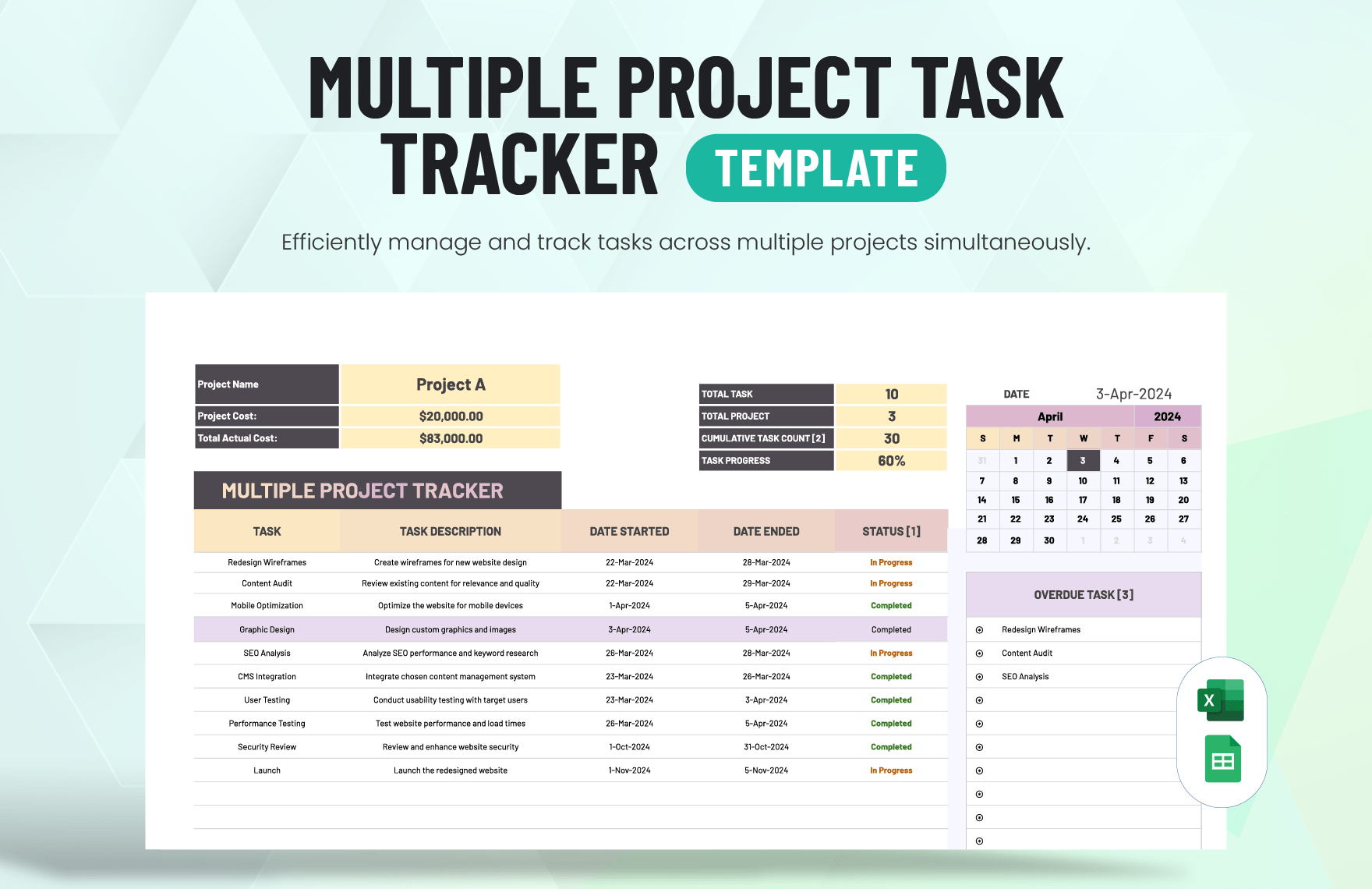
Multiple Project Tracking Template ProjectManager

So, from the perspective of the global, super project build, there are no targets to produce. All cmake has to do is go into that directory, run make, perform install steps as i lay out (probably just a copy to an included. The external project's own install step is invoked as part of the main project's build. I wrote a.
Project Management Tracking Template - So, from the perspective of the global, super project build, there are no targets to produce. For gnu make makefile projects, it is necessary to invoke the make command. I've got a library i want to integrate into an existing cmake build. For example, make destdir=<.> install will work for main project too. Cmake externalproject allows building a wide variety of subprojects isolated from the main cmake project. If you don’t control the “child” project, it may be better to use externalproject instead of fetchcontent.
It allows external project builds to be completely isolated from the main project. This means it can use a different toolchain, target a different platform, use a different build type or even. For example, make destdir=<.> install will work for main project too. To use a production dataverse. If you don’t control the “child” project, it may be better to use externalproject instead of fetchcontent.
To Use A Production Dataverse.
The external project's own install step is invoked as part of the main project's build. For gnu make makefile projects, it is necessary to invoke the make command. The cmake's externalproject allows to define how to an external project is going to be downloaded, configured, built and installed. Cmake externalproject allows building a wide variety of subprojects isolated from the main cmake project.
It Is Done After The External Project's Build Step And May Be Before Or After The External Project's Test Step (See The.
This means it can use a different toolchain, target a different platform, use a different build type or even. Because now relative path is used for destination option, the project will correctly support packaging. I've got a library i want to integrate into an existing cmake build. All whose steps are going to be performed at the build time.
It Allows External Project Builds To Be Completely Isolated From The Main Project.
So, from the perspective of the global, super project build, there are no targets to produce. Use project for the web to create and manage projects in the way that works best for you. Externalproject is executed and installed during the configure stage. All cmake has to do is go into that directory, run make, perform install steps as i lay out (probably just a copy to an included.
For Example, Make Destdir=<.> Install Will Work For Main Project Too.
If you don’t control the “child” project, it may be better to use externalproject instead of fetchcontent. You may be set up to use production dataverse environments. I wrote a short cmake by example tutorial based on this and other common problems i encountered. Is there a way to make the include dependent on the external project being built?